
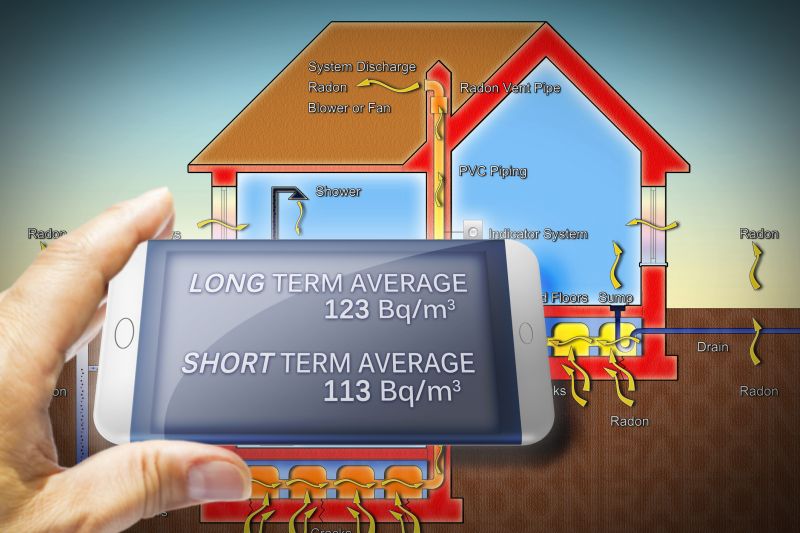
Radon Gas Abatement in Chicago, IL
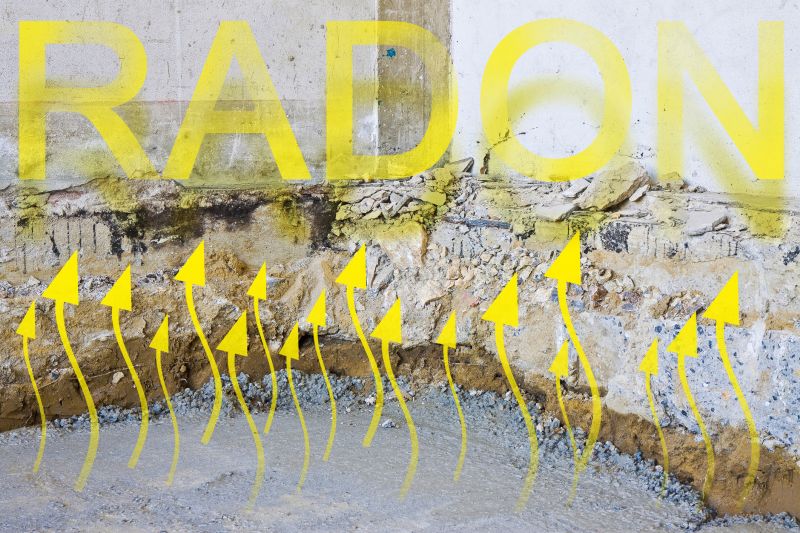
Radon gas abatement services focus on reducing elevated levels of radon, a naturally occurring radioactive gas that can accumulate inside homes and buildings. These services typically involve assessing the property’s current radon levels, installing specialized ventilation systems, and sealing entry points to prevent radon from seeping indoors. Projects can range from testing and mitigation in existing homes to incorporating radon reduction solutions during new construction or renovation projects. Property owners often want to understand the extent of radon presence, the best methods for mitigation, and how the process might impact their home’s ventilation or structure before requesting these services.
Homeowners considering radon abatement usually seek guidance on the safety benefits and the effectiveness of different mitigation options. It’s common to inquire about the testing process, how long it takes to install systems, and whether ongoing monitoring is necessary after treatment. Understanding the potential costs, the scope of work involved, and any impact on daily living are also important factors to consider before moving forward with radon reduction solutions. Proper evaluation ensures that the property’s indoor air quality is improved and maintained at safe levels.
Many property owners in Chicago, IL look into Radon Gas Abatement for repairs, replacements, upgrades, and appearance-related improvements.
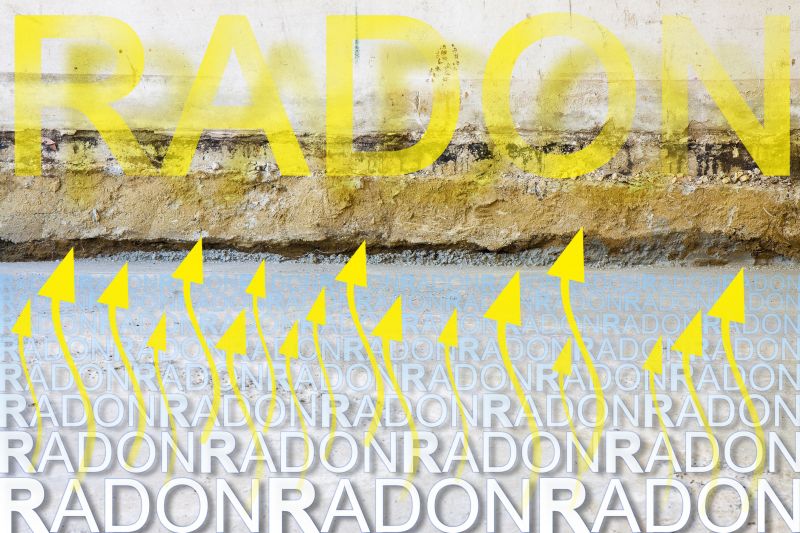
Radon Gas Risks
Understanding radon levels is essential for maintaining a safe home environment in chicago and nearby areas.
Abatement Solutions
Effective radon mitigation involves sealing entry points and installing ventilation systems to reduce indoor radon levels.
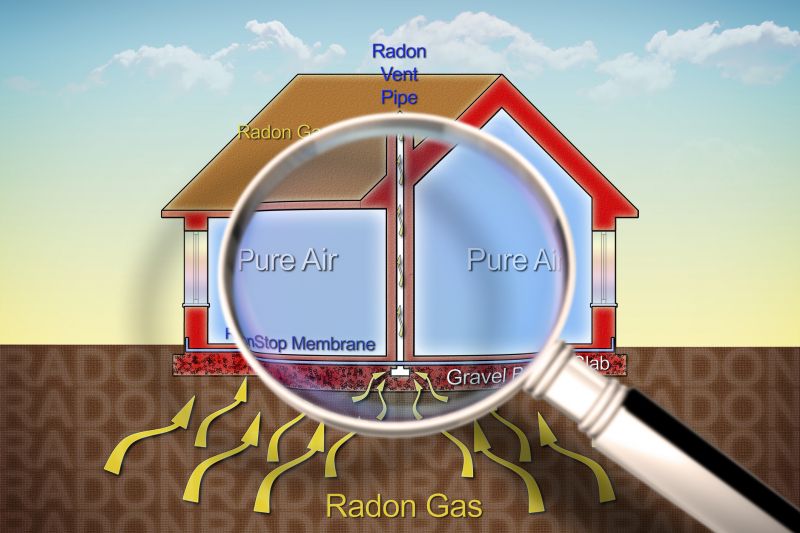
Property Safety Measures
Radon testing and abatement are important steps to protect residents and ensure compliance with health standards.
Radon Gas Abatement in Chicago, IL

Radon gas abatement services focus on reducing elevated levels of radon, a naturally occurring radioactive gas that can accumulate inside homes and buildings. These services typically involve assessing the property’s current radon levels, installing specialized ventilation systems, and sealing entry points to prevent radon from seeping indoors. Projects can range from testing and mitigation in existing homes to incorporating radon reduction solutions during new construction or renovation projects. Property owners often want to understand the extent of radon presence, the best methods for mitigation, and how the process might impact their home’s ventilation or structure before requesting these services.
Homeowners considering radon abatement usually seek guidance on the safety benefits and the effectiveness of different mitigation options. It’s common to inquire about the testing process, how long it takes to install systems, and whether ongoing monitoring is necessary after treatment. Understanding the potential costs, the scope of work involved, and any impact on daily living are also important factors to consider before moving forward with radon reduction solutions. Proper evaluation ensures that the property’s indoor air quality is improved and maintained at safe levels.
Many property owners in Chicago, IL look into Radon Gas Abatement for repairs, replacements, upgrades, and appearance-related improvements.
Common Radon Gas Abatement Jobs
Radon mitigation systems - installation to reduce indoor radon levels effectively.
Sub-slab depressurization - a common method to vent radon from beneath the foundation.
Sealing and venting - solutions to prevent radon entry and improve air quality.
Foundation sealing projects - to block radon from seeping through cracks and gaps.
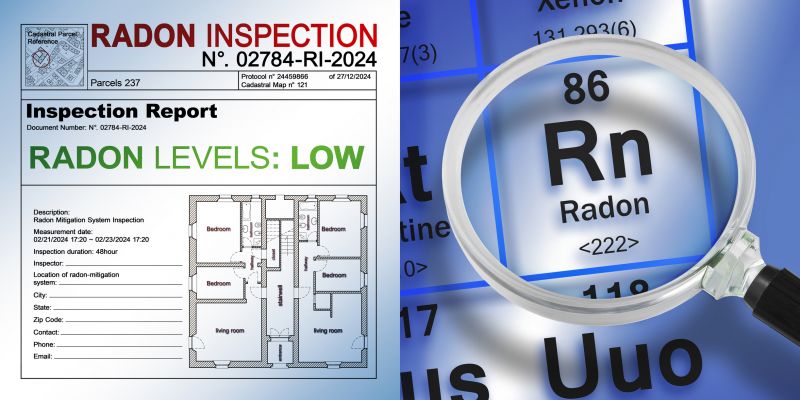
Indoor air quality testing - to identify radon levels and determine the need for abatement.
Radon mitigation consultations - assessments to recommend appropriate reduction strategies.

Radon Gas Abatement Questions
What is radon gas abatement? Radon gas abatement involves reducing radon levels in a property to improve indoor air quality and safety.
When should radon mitigation be considered? Mitigation is recommended if radon testing shows levels above the EPA action level of 4 pCi/L or if there is concern about indoor air quality.
What types of properties can benefit from radon abatement? Radon reduction services are suitable for residential homes, apartments, and commercial buildings in areas with elevated radon levels.
How does radon mitigation work? The process typically involves installing venting systems and fans to redirect radon gas away from the building interior.
Request Radon Gas Abatement in Chicago, IL
Use the quote form on this page to share the basics of your project and request more information for the type of work you need.